
Flood Damage Car Value Loss: What 2025 Storm Season Left Behind
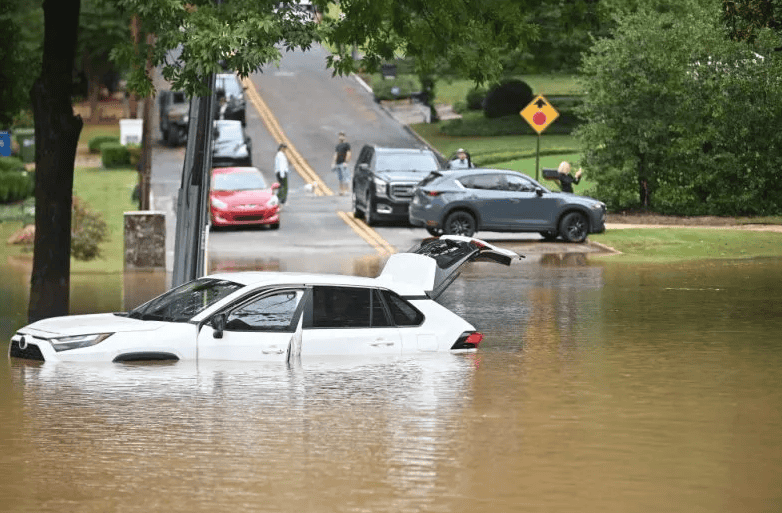
Hundreds of thousands of flood-damaged vehicles are currently on U.S. roads. After the wave of storms that hit the South and Midwest in 2025, tens of thousands of cars were submerged, assessed, repaired to varying degrees, and quietly moved to used car markets across the country. Many of those vehicles now sit in states that never saw a drop of that floodwater. Some were declared total losses and properly titled as such. Others were not. And if you own a vehicle that was caught in a flood, even one that was repaired and handed back to you looking perfectly fine, the financial damage to its value likely did not get repaired along with it.
What Flood Damage Actually Does to a Vehicle
Water is not selective. When floodwater enters a vehicle, it does not stop at the upholstery. It works its way into the electrical system, the wiring harnesses, the brake lines, the engine, the transmission, the ADAS sensors, and every corner of the cabin. Salt water from coastal storms is even more aggressive, accelerating corrosion in metal components that may not show visible rust for months.
The repairs that follow a flood event are real, and a skilled shop can absolutely return a vehicle to a drivable condition. But "drivable" and "fully restored in value" are two completely different outcomes. The market knows that flood-affected vehicles carry residual risk that no repair can fully eliminate. Buyers know it, dealers know it, and anyone who has financed or insured a flood-damaged car knows it.
That residual risk is exactly what drives the loss in value after a flood event, and it is the basis of a legitimate diminished value claim.
Key point: A flood repair may restore function. It does not restore market value. The gap between what your vehicle is worth before the flood event and what it is worth after is a real, documentable financial loss.
The 2025 Flood Wave and Why It Matters Right Now
The storms that moved through Texas, Kentucky, West Virginia, and surrounding states between April and July of 2025 damaged tens of thousands of vehicles. Some were immediately totaled by insurers and removed from circulation. But a significant portion were repaired, retitled, and pushed back into the used market. As it always happens after major flood events, many of those vehicles did not stay in the states where the flooding occurred.
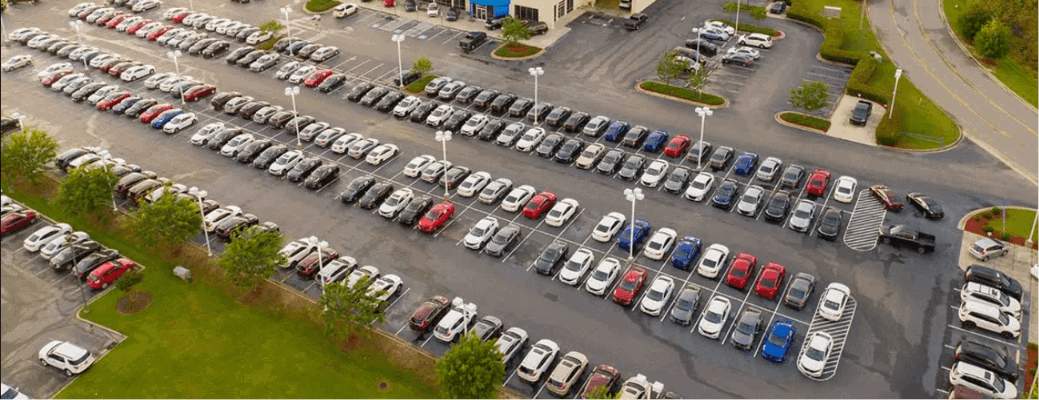
Flood-damaged vehicles tend to migrate. They show up at regional auctions, get sold to wholesalers, and end up on dealer lots in markets that had nothing to do with the original storm. This has been a documented pattern following every major U.S. hurricane and flood season. The National Highway Traffic Safety Administration (NHTSA) has warned consumers about this practice for years, noting that flood-damaged vehicles often reappear with clean titles in states far from the original incident.
If you are in this situation now, either because your vehicle was directly damaged in a 2025 storm or because you suspect the used vehicle you purchased has a flood history, the question of value loss is one that deserves a professional answer.
How Flood Damage Affects Vehicle Value: The Components That Drive the Loss
The value loss from flood damage is not a single line item. It comes from multiple directions at once.
Electrical and ADAS Systems
Modern vehicles are highly dependent on electronics. Wiring harnesses, sensor modules, control units, and ADAS components are all vulnerable to water intrusion. Even after drying and repair, residual moisture and microscopic corrosion inside connectors can cause failures that surface weeks or months later. Buyers and appraisers factor this latent risk into their valuations. A vehicle with documented water intrusion into its electrical system will consistently appraise lower than a comparable undamaged unit, regardless of how clean it looks on the surface. Our post on ADAS calibration costs and diminished value covers this component of post-damage loss in detail.
Structural and Mechanical Integrity
Water can penetrate brake lines, corrode suspension components, compromise the transmission, and introduce contaminants into the engine oil. Salt water accelerates all of this. These are not cosmetic issues. A professional appraiser examining a flood-affected vehicle will look at repair records for evidence of what was replaced, what was simply cleaned, and what was left undocumented. Gaps in documentation consistently push appraised values lower.
Title Designation and Vehicle History
When a flood-damaged vehicle is totaled by an insurer, it receives a salvage title. Once repaired and reinspected, it may be retitled as a rebuilt vehicle. Either designation causes a substantial, permanent reduction in market value. However, not every flood-affected vehicle goes through that process. If the owner did not carry comprehensive coverage, or if repair costs did not meet the insurer's total loss threshold, the vehicle may carry a clean title despite its history. That clean title does not erase the market's awareness of flood risk, and it does not make the loss in value disappear. Our coverage of salvage title vs. rebuilt title and vehicle value explains how each designation affects what a vehicle can realistically be sold for.
| Damage Category | Visible After Repair? | Impact on Market Value |
|---|---|---|
| Electrical / wiring corrosion | Rarely | High |
| ADAS sensor compromise | No | High |
| Salvage or rebuilt title | Yes, on title | Very high, permanent |
| Engine / transmission contamination | Sometimes | Moderate to high |
| Interior / upholstery damage | Often masked | Moderate |
| Mold and microbial damage | Rarely visible | Moderate |
Can You File a Diminished Value Claim After Flood Damage?
The answer depends on how the flood damage occurred and what type of insurance was involved.
If another driver caused the flooding situation (an indirect scenario, such as a negligent act that diverted water onto your vehicle), a third-party claim against their liability coverage could potentially include diminished value. However, the most common flood scenarios involve natural weather events, which fall under your own comprehensive coverage rather than a liability claim.
Here is where the situation gets important: most states do not allow you to file a first-party diminished value claim against your own comprehensive insurance policy. This is a known limitation in insurance law across much of the country, and it is a frustrating reality for vehicle owners who did everything right, carried full coverage, and still ended up absorbing a permanent loss in their car's resale value.
What a professional appraisal does in this context is give you documented evidence of exactly how much value was lost. That documentation has several uses: it supports negotiations when you disagree with an insurer's actual cash value assessment, it provides a basis for dispute resolution or appraisal clause invocation under your policy, and it gives you an accurate picture of your financial exposure if you are considering selling or trading the vehicle in the future.
If you are unsure whether your specific situation opens a path to a diminished value claim, our insurance claim FAQ on appraisals, diminished value, and total loss is a good starting point for understanding the framework.
When Flood Damage Becomes a Total Loss
For many flood-affected vehicles, the damage is severe enough that the insurer declares a total loss. This happens when repair costs exceed a set percentage of the vehicle's actual cash value (ACV), which varies by state. At that point, the conversation shifts from diminished value to making sure the ACV settlement you receive is actually fair.
Insurers calculate ACV using proprietary tools and comparable vehicle data from the market. The problem is that those comparables are not always accurate or current, and the methodology used to derive them is not always disclosed to the vehicle owner. If your insurer's total loss offer feels low, it may be because the comparables used to reach that number do not accurately reflect what a vehicle like yours was actually worth before the flood.
An independent appraisal provides a counter-assessment backed by market data and professional analysis. If there is a significant gap between the insurer's number and the appraiser's number, most insurance policies include an appraisal clause that allows for a formal dispute process. Using that clause effectively starts with having a credible, documented appraisal in hand.
Related: How to Get a Higher ACV From Your Insurer
If you are in a total loss dispute after a flood, the process for challenging an insurer's ACV is the same regardless of the cause of loss. Our guide on how to get a higher ACV from insurance walks through the documentation strategy and the steps that tend to produce better outcomes.
What to Do If You Suspect You Bought a Flood-Damaged Vehicle
Given the volume of flood-affected vehicles that migrated out of storm-hit states in 2025, it is worth knowing what steps to take if you are the buyer rather than the original owner.
- Request a full vehicle history report and cross-reference it with the title designation. Look for any gap in ownership that coincides with a major storm event.
- Inspect for physical signs that NHTSA identifies as indicators of water intrusion: musty odor, mismatched or replaced carpet, rust on unpainted screws under the dashboard, water lines in the trunk or engine compartment, and fog or residue behind instrument cluster glass.
- Have the vehicle independently inspected by a qualified mechanic who is specifically looking for flood-related damage, not a standard pre-purchase inspection.
- Order an independent appraisal if you believe the vehicle was misrepresented at the point of sale. A documented appraisal establishes current market value and provides a factual basis for any legal or insurance action that follows.
If the seller knowingly concealed flood damage, you may have a cause of action under your state's consumer protection laws. That is a legal matter that goes beyond the scope of an appraisal, but the appraisal is typically the starting point for quantifying your loss.
Documentation Is Everything
Whether your vehicle was directly damaged in a flood or you are disputing a settlement based on suspected flood history, the strength of your position depends entirely on documentation. What was the vehicle worth before the event? What does it appraise for now? What repairs were performed, and by whom? What components were replaced versus cleaned? What does the title history show?
Insurers are experienced at managing settlements in their favor. A professional appraisal from a credentialed, independent appraiser shifts that dynamic by putting objective, market-grounded numbers into the conversation. It is not a guarantee of a better outcome, but it is the foundation one is built on.
Our guide on how to document diminished value applies directly to flood-related claims and walks through exactly what you need to gather before contacting an appraiser or an insurer.
Your Vehicle Lost Value. Get the Number in Writing.
Flood damage does not end when the repairs do. If your vehicle was affected by flooding in 2025 or any prior event, a professional appraisal documents the real loss in market value and gives you something concrete to work with. Get your free quote from Appraisal Engine today.
Get Your Free QuoteDownload This Article as a PDF
Save or share a formatted version of this guide for future reference.
Download PDFFrequently Asked Questions
Does flood damage always result in a total loss?
Not always. Whether a flood-damaged vehicle is declared a total loss depends on the cost of repairs relative to the vehicle's actual cash value, which varies by state and by insurer. Some flood-damaged vehicles are repaired and returned to their owners. However, even a repaired vehicle typically retains a permanent reduction in market value due to its flood history.
Can I file a diminished value claim if my car was damaged in a natural flood?
In most states, you cannot file a first-party diminished value claim against your own comprehensive insurance policy. However, an independent appraisal is still valuable for disputing an actual cash value settlement, invoking the appraisal clause in your policy, or establishing the extent of loss for any related legal action.
How do I know if a used car I purchased has flood damage?
Key indicators include a musty or mildew odor inside the vehicle, rust on exposed screws under the dashboard, water staining or mismatched carpet, moisture behind instrument cluster glass, and any gaps in the vehicle's ownership history that coincide with a major storm event. An independent mechanical inspection and a professional appraisal are the most reliable ways to assess both the condition and the current market value of a suspected flood-damaged vehicle.
Why do flood-damaged vehicles end up in states far from where the storm hit?
After major flood events, vehicles are often moved through wholesale auctions and dealer networks to other regional markets. This is a long-documented pattern in the U.S. auto industry. The National Highway Traffic Safety Administration has specifically warned consumers about this practice, noting that vehicles with flood histories can resurface with clean titles hundreds of miles from the original incident.
What does a professional vehicle appraisal cover in a flood damage situation?
A professional appraisal establishes the vehicle's pre-loss market value, documents the current post-repair market value, quantifies the gap between the two, and provides a written report that can be used in insurance negotiations, appraisal clause proceedings, or legal disputes. It is independent of the insurer and based on market data rather than proprietary insurer formulas.