
Wholesale used vehicle values slipped again in October 2026, marking a second straight monthly decline and the weakest reading for vehicle value retention since early 2021. If your vehicle was totaled or damaged in an accident, the timing and accuracy of your valuation now matter more than ever.
- Seasonally adjusted wholesale retention fell 0.8% in October, from 139.7 to 138.6.
- Values are 2.5% lower than October 2025 and roughly 30% below the January 2022 peak.
- Most car segments gained value. Every SUV, pickup, and van segment lost value.
- Full size pickups finished October 8.4% below year ago levels.
- Falling values can shrink total loss offers and diminished value payouts if your claim is not valued correctly.
October 2026 Used Vehicle Value Retention at a Glance
The figures below track how much of its original typically equipped MSRP an average two to six year old vehicle holds at wholesale auction, adjusted for seasonality, age, mileage, and condition.
| Period | Retention Reading | Change to October 2026 |
|---|---|---|
| October 2026 | 138.6 | Current |
| September 2026 | 139.7 | Down 0.8% |
| October 2025 | 142.1 | Down 2.5% |
| August 2026 | 144.3 | Down 3.9% |
| January 2022 (peak) | 197.0 | Down 29.6% |
Cars Held Up. SUVs and Trucks Took the Hit.
October was not a uniform decline. The market split sharply by body style.
Car segments mostly gained value
Most passenger car segments posted increases, with near luxury and prestige luxury cars leading the way. Sedans and coupes have been the quieter side of the used market, and tighter supply in some of those segments is supporting prices.
Every SUV, pickup, and van segment declined
Full size crossovers and SUVs, along with full size luxury crossovers and SUVs, saw some of the steepest drops of the month. Full size pickups stayed under pressure and ended October 8.4% below where they were a year earlier. Even inside the luxury market, cars and SUVs moved in opposite directions.
That matters because trucks and SUVs make up a large share of vehicles on the road, and a large share of the total loss and diminished value claims we handle.
Where Used Vehicle Values Stand Historically
October's reading of 138.6 is the lowest since February 2021, when the pandemic price surge was still building. Values have now given back about 30% from the record set in January 2022. Even so, retention remains roughly 20% higher than it was in October 2019, before supply chain disruptions reshaped the market. Used vehicles are still holding more of their original price than they did before 2020, but the cushion keeps shrinking.
What Falling Used Car Values Mean for Your Insurance Claim
Total loss claims
When an insurer totals your vehicle, it owes you the actual cash value (ACV) of the vehicle immediately before the loss. In a declining market, valuation reports built on stale comparables, distant markets, or aggressive condition deductions can push an offer well below what it would cost you to replace your vehicle locally. Pickup and SUV owners should be especially careful right now, since those segments are falling fastest and carriers may lean on the lowest available comps.
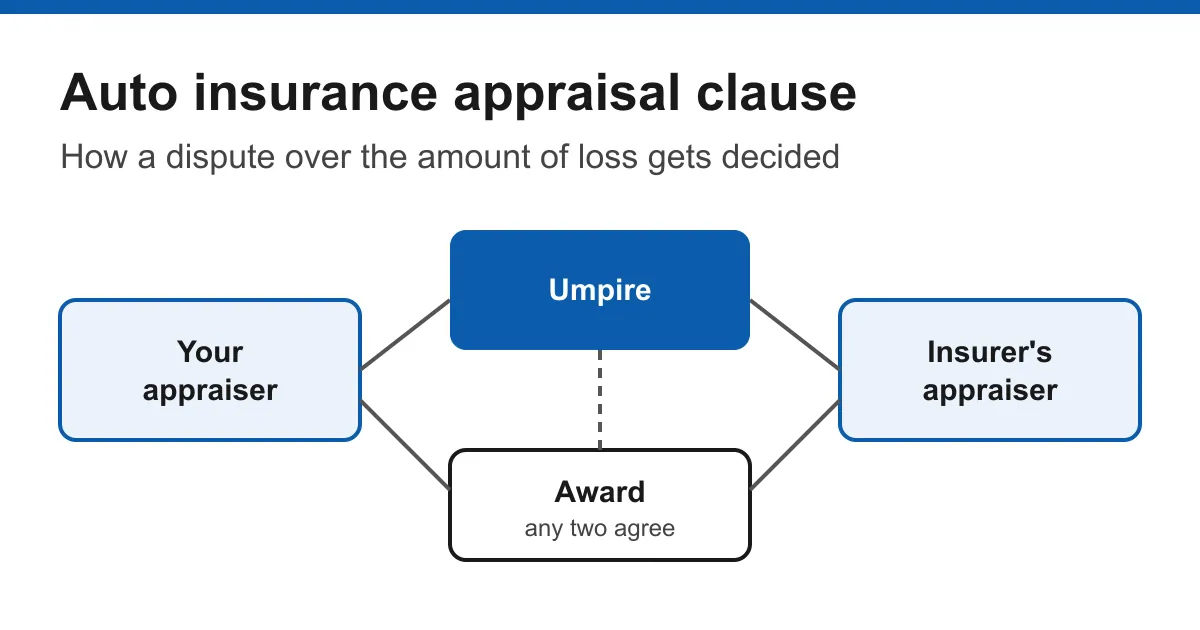
Check every comparable in the carrier's report: date sold or listed, mileage, trim, options, and distance from you. If the comps do not match your vehicle and your market, the number is wrong. An independent total loss ACV appraisal gives you a documented, USPAP compliant value to push back with, and many auto policies include an appraisal clause that lets you formally dispute the insurer's figure.
Diminished value claims
Diminished value is the loss in market value a vehicle suffers after it has been in an accident and repaired, even when the repairs are done well. Because diminished value is measured against the vehicle's pre loss market value, a softer market lowers the starting point. That makes a credible, well supported valuation more important, not less. Formula based offers from insurers often understate the real loss, and the gap tends to grow on higher value trucks and SUVs.
Timing matters
Values are measured as of the date of loss, not the date you finally settle. Still, delays work against you when an insurer is building its file from current market data that keeps moving down. Get your vehicle independently valued early so the record reflects the market at the time of the loss.
Think Your Insurance Offer Is Too Low?
Appraisal Engine provides independent total loss ACV appraisals and diminished value reports nationwide. Get a free opinion of value before you hire us, then a flat fee report you can put in front of the carrier.
Get a Free Value Review View Services and PricingFrequently Asked Questions
Are used car prices going down in late 2026?
Yes. Seasonally adjusted wholesale retention fell 0.8% in October 2026 after a larger drop in September, leaving values 2.5% below October 2025. SUVs, pickups, and vans are falling fastest, while many car segments are holding or rising.
Will lower used car values reduce my total loss settlement?
They can. Your settlement should reflect the actual cash value of your vehicle on the date of loss. If the insurer relies on poorly matched or out of area comparables in a falling market, the offer can come in lower than it should. An independent appraisal helps you verify and challenge the number.
How do falling vehicle values affect a diminished value claim?
Diminished value is calculated from your vehicle's pre loss market value. When market values fall, the base value drops, so accurate market evidence and a proper appraisal become critical to recovering the full loss.
Why are trucks and SUVs losing value faster than cars?
Recent market data shows every SUV, pickup, and van segment declined in October 2026, with full size pickups down 8.4% from a year earlier. Supply, demand, and pricing pressures in those segments are moving differently than in passenger cars, where tighter supply is supporting values.