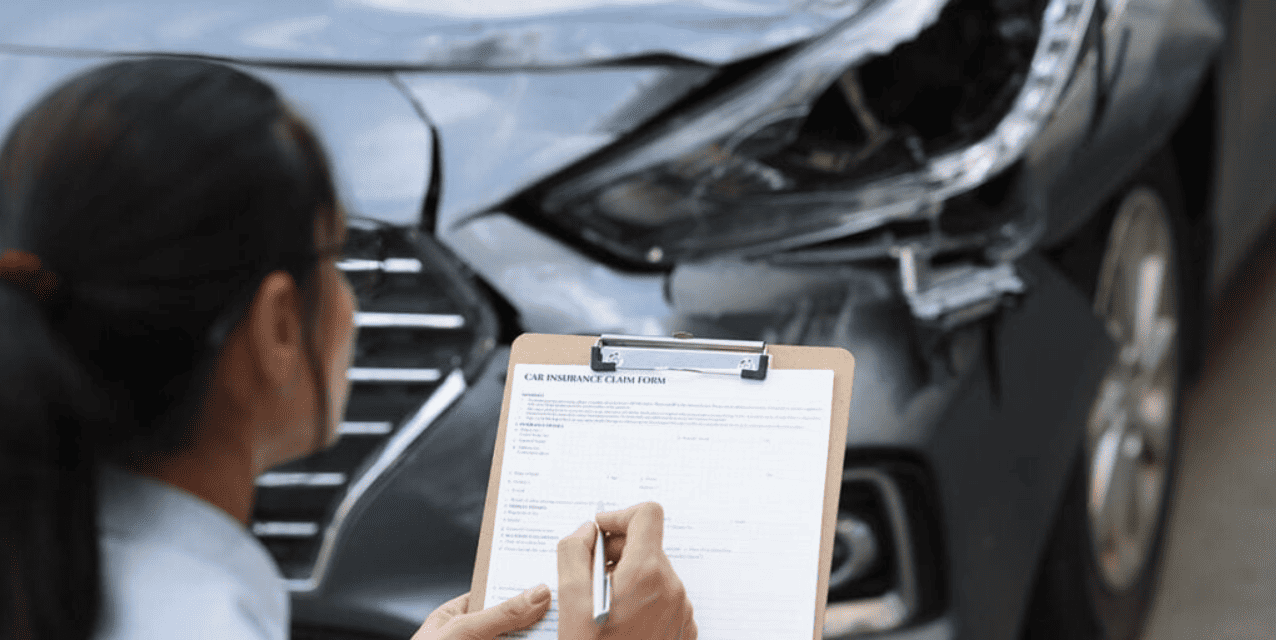

After an accident, most people assume the insurance company will come back with a number that fairly reflects what their vehicle is worth. That expectation sounds reasonable. The process looks structured, data-driven, and official.
But in 2026, that assumption is getting harder to trust.
Across the market, there is a growing gap between what vehicles are actually selling for and what insurance companies are using to calculate value. For many drivers, that gap turns into real money lost during a claim.
Why This Gap Is Becoming More Visible in 2026
The auto market has changed a lot over the past few years. Prices are no longer swinging the way they did during supply shortages and inventory disruptions. Things have become more stable, and that should make vehicle values easier to understand.
Instead, it is exposing valuation problems more clearly.
When prices were moving unpredictably, small inaccuracies were easier to overlook. Now that the market is behaving more normally, those same differences stand out much more. A vehicle can look fairly valued on paper, but once you compare it with actual listings and buyer behavior, the number starts to feel off.
That is where this issue becomes more obvious.
Data from Black Book Market Insights continues to show how real transaction prices often move differently from insurance-based valuations, especially as the market becomes more stable.
Market Price and Insurance Value Are Not the Same Thing
A lot of confusion starts here.
Real market price is simply what someone is willing to pay for your vehicle in the current market. It reflects local demand, condition, mileage, buyer sentiment, and accident history.
Insurance value is calculated differently. It usually comes from comparable listings, depreciation formulas, condition adjustments, and automated systems designed to produce a fast result.
That system is efficient, but efficiency is not the same as accuracy.
The problem is that insurance valuation models do not always keep pace with how buyers actually shop for cars. In a market like 2026, where shoppers are more informed and pricing is easier to compare, that disconnect matters more.
The Comparable Vehicle Problem
One of the biggest reasons valuations feel low is the quality of the comparables being used.
On the surface, a comparable vehicle may look close enough. It may be the same make, model, and year. But when you look deeper, the differences start to pile up. Mileage may be off. Condition may be different. The vehicle may be in another region with a different pricing pattern. It may even reflect weaker demand than your local market.
Those details matter.
They matter even more when you consider the wholesale vs retail pricing gap in 2026 vehicle appraisals, where vehicles can carry very different values depending on how and where they are being evaluated.
If the starting point is wrong, the final valuation will be wrong too. And once that number is used in a diminished value claim or settlement discussion, the financial impact becomes very real.
How Buyer Behavior Is Widening the Gap
This issue is becoming even more noticeable because buyers behave differently now than they did a few years ago.
People compare listings across multiple platforms. They look at history reports before they ever show up to see a vehicle. They pay attention to accident records, prior repairs, and overall risk. Two vehicles that appear almost identical can still sell for very different amounts because one has a history report that makes buyers hesitate.
That hesitation affects value.
Insurance systems do not always capture that reaction well. The market does.
That is why the gap between insurance value and market value tends to become most obvious after an accident. The valuation model may apply a formula, but the actual buyer is reacting to perception, history, and confidence.
A Simple Way to See the Difference
Here is a simplified example of how that gap often appears in real life:
| Scenario | Insurance Valuation | Real Market Behavior |
|---|---|---|
| Clean vehicle | Closely matches market | Strong buyer demand |
| Minor accident | Small adjustment | Noticeable resale discount |
| Moderate damage | Moderate reduction | Clear buyer hesitation |
| Structural damage | Lower value assigned | Significant price drop and reduced demand |
This is where many drivers start to understand what diminished value really looks like. It is not just a theoretical number. It is the real difference between formula-based valuation and what the market is actually willing to pay.
Why This Matters After an Accident
If your vehicle has been in an accident, this gap can affect more than just one number on a report.
It can influence how your loss is measured, how your claim is handled, and how much leverage you have during negotiation. If the insurance valuation starts too low, the entire claim can be framed around a number that never reflected the true market in the first place.
That is why drivers often feel something is wrong before they can fully explain why. The offer may look reasonable until they start comparing real listings, looking at vehicles with similar history, or trying to sell the car themselves.
At that point, the difference becomes much harder to ignore.
This is often the moment drivers start questioning the offer and looking into how to spot lowball settlement offers before accepting a number that may not reflect real market conditions.
What Drivers Can Do
The good news is that you do not have to treat the first valuation as untouchable.
Understanding how to get a higher ACV from insurance starts with knowing how your valuation was built and where it may be falling short.
If the number feels low, there is usually a reason to look closer. Reviewing the comparable vehicles, checking the local market, and questioning generic adjustments can reveal problems quickly. In many cases, simply understanding how the valuation was built gives you a stronger position.
And in a market like this one, being informed matters more than ever.
Final Thoughts
Insurance valuation systems are built for consistency, but they are not perfect. They work best when the market behaves in predictable ways and when the data behind them truly reflects what buyers are doing.
In 2026, that alignment is not always there.
The growing gap between real market prices and insurance valuations is not random. It comes from two very different ways of measuring value. One is based on formulas and internal systems. The other is based on human behavior, local demand, and real purchase decisions.
When those two do not match, the difference becomes your financial loss.
Understanding that gap is the first step toward protecting yourself after an accident.
Download the Printable Version of This Article
If you want a clean, printable version of this article to review during your claim process, download the full PDF below.
Frequently Asked Questions
Why is my insurance valuation lower than market value?
Insurance valuations often rely on comparable listings and automated systems that may not fully reflect real buyer behavior or current market demand.
Can I challenge an insurance valuation?
Yes. You can review the comparables used, check local listings, and present additional data to support a more accurate value.
Do buyers really pay less for accident vehicles?
In most cases, yes. Vehicles with accident history tend to sell for less due to perceived risk, even when repairs are properly completed.
How can I know if my payout is too low?
Compare your vehicle with similar listings in your local market. If there is a noticeable difference, the valuation may not reflect real market conditions.
Does this affect both diminished value and total loss claims?
Yes. The gap between market value and insurance valuation can impact both diminished value calculations and total loss settlements.