
The U.S. auto market in 2026 is not crashing, but it is definitely evolving. After several years of extreme volatility caused by supply chain disruptions, inflated used-car prices, and shifting consumer demand, the market is settling into a new phase of balance.
For drivers, insurers, and vehicle owners dealing with accidents or insurance claims, this shift has important consequences. Vehicle values are stabilizing, repair costs are increasing, and insurance claim complexity is rising. Together, these trends are making accurate vehicle appraisals more important than ever.
Understanding what is happening in the automotive market right now can help drivers protect their financial interests after an accident, especially when dealing with diminished value or total loss claims.
The 2026 Auto Market: Stability Instead of Volatility
After years of unpredictable pricing swings, vehicle depreciation patterns are returning closer to historical norms. Inventory levels have improved, and production has largely recovered from the shortages that disrupted the industry earlier in the decade. As a result, vehicle values are becoming more predictable again.
Industry analysts estimate that depreciation for vehicles between two and six years old will average about 11.9% in 2026, while three-year-old vehicles are expected to retain around 58% of their original MSRP. This reflects a market that is stabilizing rather than collapsing. Black Book market insights show that the used vehicle index has largely flattened after several years of dramatic movement.
At the same time, high transaction prices and financing costs are pushing more buyers into the used-vehicle market. According to recent market outlook data, this shift is creating a more competitive environment for certain used vehicles and keeping residual values relatively strong.
For appraisal professionals and vehicle owners, these conditions mean accurate valuations depend heavily on current market data. Older assumptions about vehicle depreciation or resale value may no longer apply.
Why Repair Costs Are Rising Even as Claims Decline
Another major trend shaping the automotive landscape is the increasing cost of repairing modern vehicles. Even though the number of insurance claims has slightly declined, the complexity and severity of repairs are increasing.
Advanced driver-assistance systems, sensors, cameras, and safety calibration requirements now appear in more than one-third of repair estimates. This technology dramatically increases repair costs, even for relatively minor collisions.
Industry statistics show the average collision claim now exceeds $4,300, while more complex claims can easily climb far higher depending on vehicle type and damage severity. These rising repair costs are one reason insurers are declaring total losses more frequently than in the past. Insurance claim statistics reports highlight how the financial impact of accidents continues to rise despite fewer claims overall.
This environment is exactly why many drivers are surprised when insurance estimates fail to reflect the full financial damage caused by a collision. If you're curious how repair estimates often overlook long-term value loss, our article Why Repair Estimates After a Collision Often Miss the Real Financial Impact explains this issue in detail.
The Hidden Financial Loss: Diminished Vehicle Value

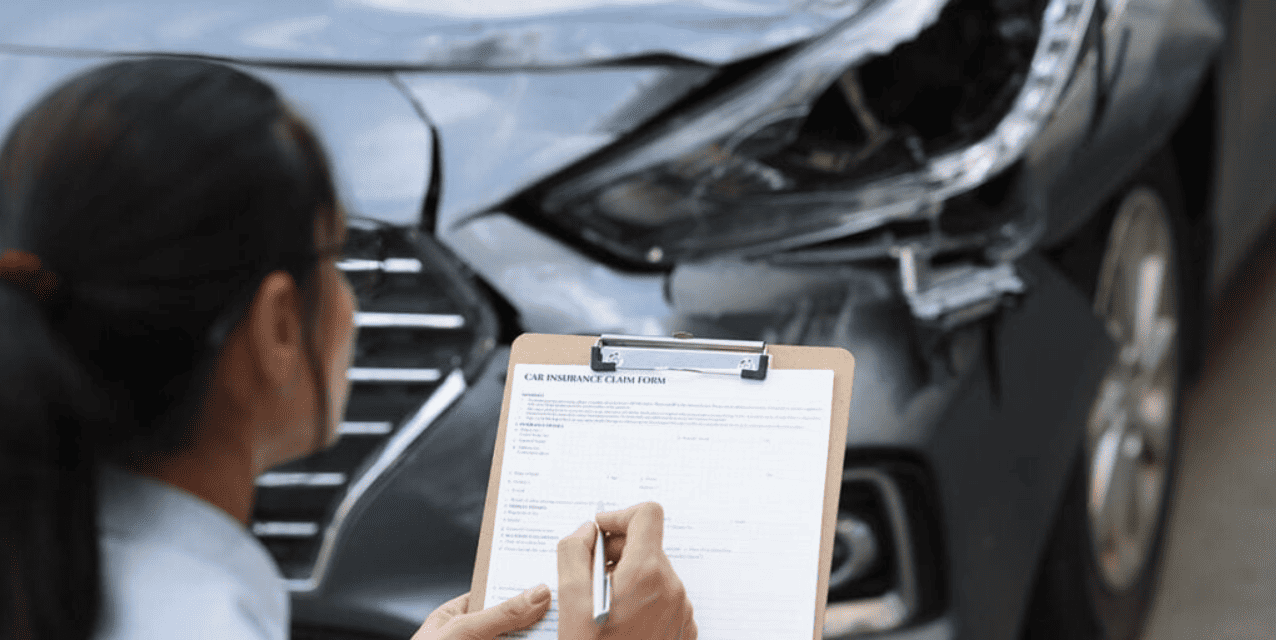
One of the most overlooked consequences of an accident is diminished value. Even after repairs are completed, a vehicle that has been involved in a collision typically loses resale value simply because it now has an accident history.
Buyers, dealerships, and valuation platforms all factor accident history into pricing decisions. This means that two identical vehicles can have very different market values depending on whether one has been previously damaged.
This is why documentation and proper appraisal procedures are essential after an accident. Our guide on How to Document Diminished Value explains the key evidence needed to support a diminished value claim.
Insurance companies do not always volunteer information about diminished value claims, and in many cases, drivers must actively pursue compensation themselves.
Why Total Loss Decisions Are Increasing in 2026

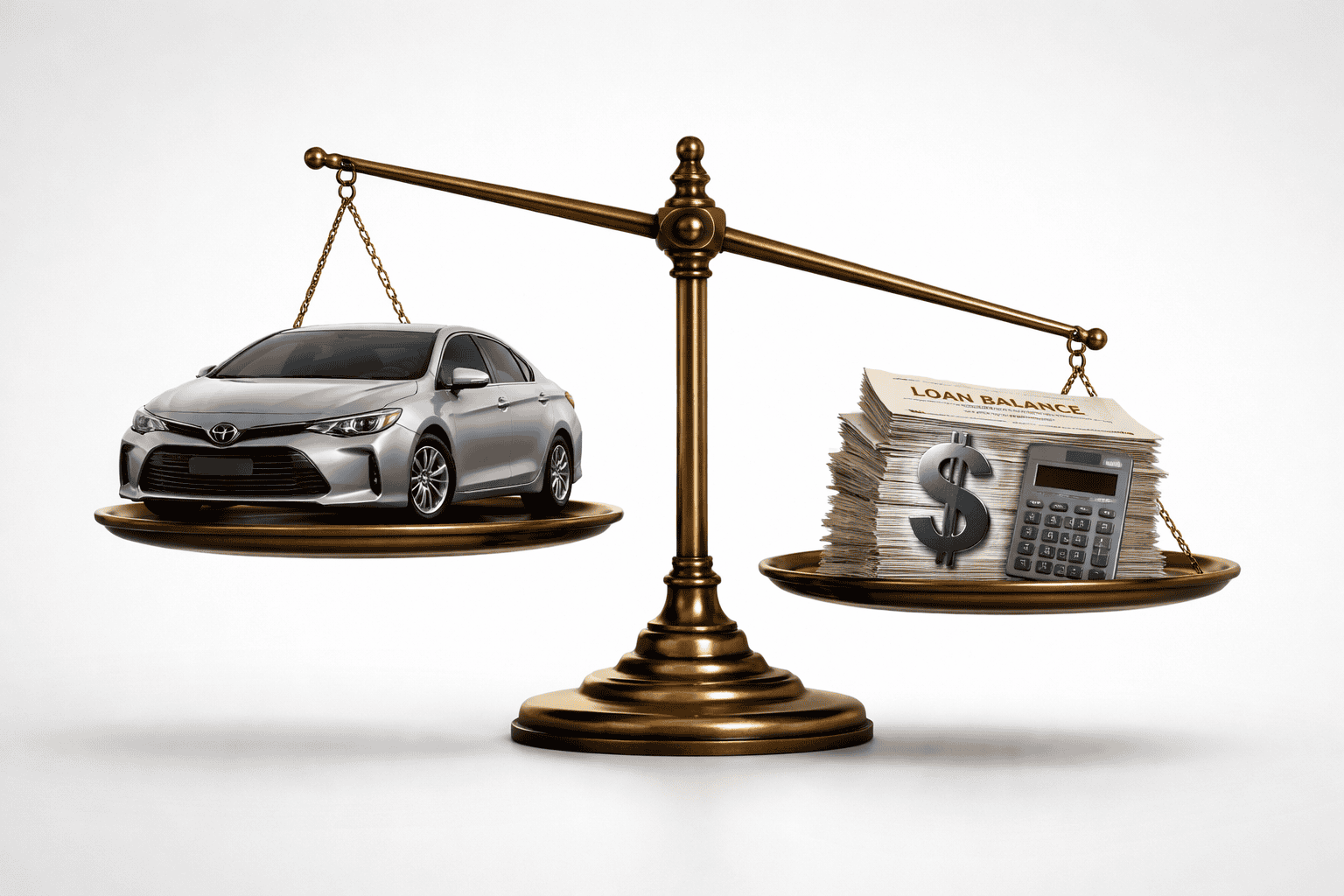
Another notable trend is the increasing number of vehicles being declared total losses. When repair costs approach or exceed a certain percentage of a vehicle’s market value, insurers may determine that repairing the car is no longer economically viable.
This threshold varies by state and insurer, but rising repair costs are pushing more vehicles into total-loss territory. Sensors, airbags, structural components, and advanced safety systems can quickly escalate repair estimates beyond practical limits.
For drivers navigating these situations, understanding the real value of their vehicle becomes critical. Independent services such as Total Loss Appraisals specialize in evaluating disputed insurance payouts and helping vehicle owners determine whether their settlement offer accurately reflects the vehicle's real market value. Our guide on How to Get a Higher ACV from Insurance explains how vehicle owners can challenge undervalued total loss settlements.
Without accurate appraisal data, many drivers unknowingly accept settlement offers that are significantly below the true market value of their vehicle.
Electric Vehicles and Market Fragmentation
The rise of electric vehicles is also reshaping how vehicle values behave in the used market. While EV adoption continues to grow, used EV pricing has been more volatile than traditional gasoline vehicles.
A wave of off-lease electric vehicles entering the market in 2026 is expected to place downward pressure on EV resale values. This is creating a fragmented market where depreciation varies widely depending on powertrain, battery technology, and consumer demand.
If you're interested in how EVs are impacting vehicle depreciation specifically, our analysis on Electric Vehicle Depreciation Trends in 2026 explores the topic in greater depth.
Why Professional Vehicle Appraisals Are More Important Than Ever
When the auto market is predictable, insurance companies can rely on simple formulas to estimate vehicle value. But when markets shift, technology evolves, and repair costs fluctuate, those formulas often fail.
This is where independent vehicle appraisals become essential. Professional appraisers evaluate comparable sales data, regional market conditions, vehicle history, and repair quality to determine the true financial impact of an accident.
Whether you're dealing with a diminished value claim, a disputed repair estimate, or a total loss settlement, having an objective appraisal can dramatically improve the outcome of your claim.
Final Thoughts: Navigating the New Automotive Market
The auto market in 2026 is best described as balanced but complex. Prices remain historically elevated, repair technology is increasing claim costs, and vehicle values behave differently depending on segment, powertrain, and accident history.
For vehicle owners, this means one thing: protecting your financial interests after an accident requires accurate data and professional valuation.
Understanding how the market works today can help you avoid accepting low insurance settlements and ensure that the real financial impact of an accident is properly recognized.
Download the Printable Version of This Guide
If you'd like a printable version of this article to reference later, download the full PDF guide below.