
Most drivers pick a car color based on personal taste, inventory availability, or whatever the lot happened to have. What very few people consider is that the color on the label can affect the car's resale value by thousands of dollars, and when an accident enters the picture, that color-driven depreciation compounds with the vehicle's damaged history to produce a diminished value number that is either larger or smaller than you might expect. Car color resale value is one of the most overlooked variables in vehicle appraisal, and understanding how it works can make a real difference when you are dealing with an insurance claim or a sale.
Why Color Is a Real Market Variable, Not Just an Aesthetic Choice
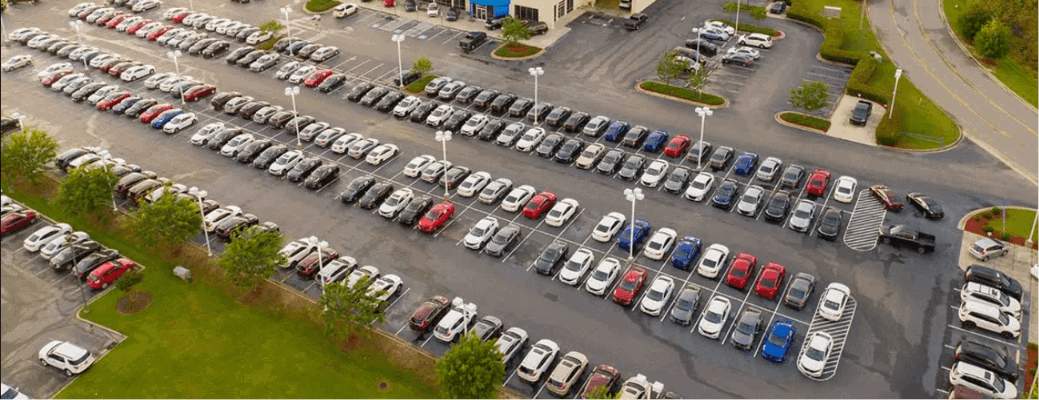
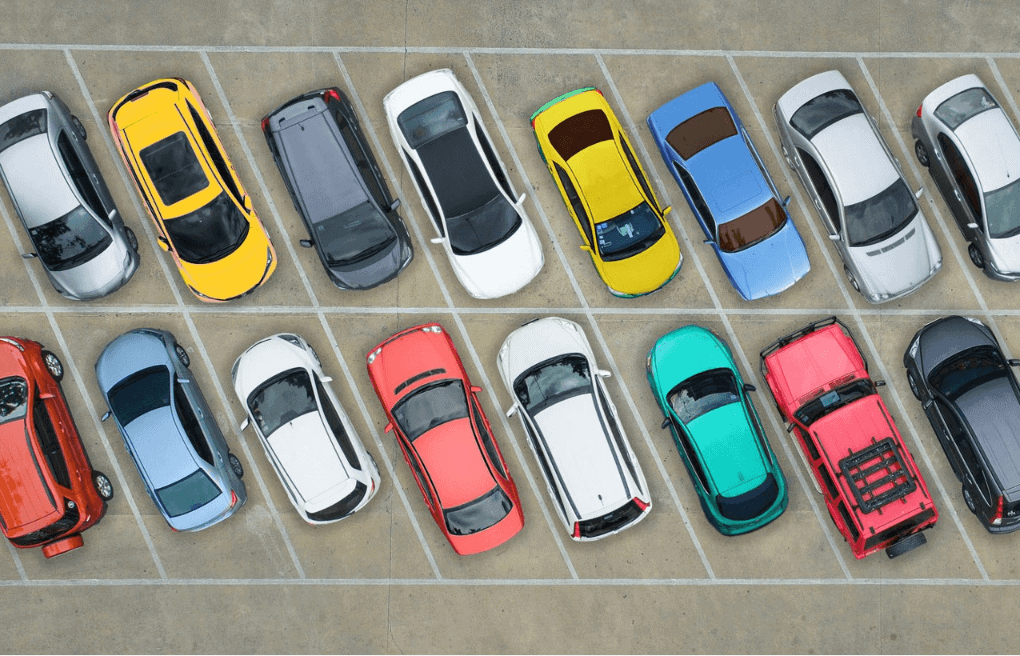
Vehicle color affects resale value because it directly influences the size of the buyer pool. A car painted in a high-demand neutral, white, black, silver, or gray, is easier to sell, tends to sell faster, and attracts more competing offers. A car painted in a niche or polarizing color, think brown, yellow, orange, purple, or certain greens, appeals to a narrower slice of the market. Narrower buyer pool means lower demand. Lower demand means the seller either waits longer or accepts a lower price.
iSeeCars publishes annual data on color depreciation, and the spread is not trivial. Yellow and orange vehicles, particularly on trucks and SUVs, can actually retain value better than average because they appeal to buyers who specifically want those colors. But on sedans and crossovers, unusual colors can depress resale by 10% to 20% compared to a white or silver equivalent with identical specs.
Black Book tracks wholesale market data across thousands of dealer auctions, and color differentials show up consistently in the data. Dealers know this. When they make an offer on a trade-in, color is factored in, even if nobody mentions it directly.
The Colors That Hold Value and the Ones That Do Not
Data from the used car market consistently shows a tiered pattern for color performance. Here is how the major color categories tend to play out:
| Color Category | Resale Performance | Notes |
|---|---|---|
| White | Above average | Largest buyer pool, fastest turnover at auction |
| Silver / Gray | Above average | Strong fleet and corporate demand, broadly neutral |
| Black | Average to above average | Premium feel, but shows scratches; varies by segment |
| Blue | Average | Broad acceptance; deeper blues hold better than pale shades |
| Red | Average to slightly below | Fades visibly; some stigma in resale ("sports car penalty") |
| Brown / Beige | Below average | Narrow buyer pool; perceived as dated |
| Orange / Yellow (sedan) | Below average | Polarizing; buyers are specific, price pressure is real |
| Orange / Yellow (truck/SUV) | Above average in some segments | Enthusiast segment pays premium; limited supply helps |
These are general patterns. The actual impact varies by vehicle class, model year, trim level, and regional market conditions. A white pickup truck in Georgia performs differently than a white compact sedan in the same zip code.
How Color Intersects With Diminished Value After an Accident
Here is where the appraisal side gets interesting. When a vehicle is repaired after a collision, the primary driver of diminished value is the accident history itself. A clean-title car with a Carfax hit sells for less than an identical car with a clean history, and that gap is what a diminished value claim is designed to recover.
But color enters the equation in two ways that most adjusters and many appraisers underweight.
1. Color Affects the Pre-Loss Baseline
Diminished value is calculated as a percentage of the vehicle's pre-accident market value. If the baseline is set too low, the payout is proportionally smaller. Insurance companies using generic valuation tools often miss color premiums or penalties when establishing actual cash value (ACV). A brown sedan worth $18,000 in the market may get valued at $20,000 by a tool that applies average comparables without accounting for color. Conversely, a white truck worth $38,000 may be undervalued because the tool applies flat mileage and condition adjustments without recognizing color-driven demand.
An independent appraiser working with real comparable sales, filtered for color, region, trim, and mileage, will produce a more defensible baseline than any automated tool. This matters because ACV calculations from insurers are often wrong in ways that favor the insurer, and color is one of the variables that gets flattened out.
2. Color Affects Paint Match Quality and Repair Stigma
This is a point that comes up constantly in professional appraisals and almost never in insurer estimates. Certain colors are significantly harder to match after a repair. Metallic finishes, tri-coat paints, pearlescent whites, and complex two-stage colors are all difficult to blend perfectly. The repair may be technically complete and structurally sound, but a discerning buyer, or a buyer's mechanic, will see the mismatch under certain lighting conditions.
This matters for diminished value because a visible or detectable repair on a difficult-to-match color produces a greater market discount than the same repair on a standard silver or gray. Buyers negotiate harder. Some walk away entirely. An appraiser who understands this documents it explicitly in the report, which gives you a stronger position in a claim dispute.
What Paint Repair Actually Costs and Why Insurers Underestimate It
Collision repair estimates from insurance-approved shops often do not capture the full cost of a proper paint match on premium or specialty finishes. The insurer's direct repair network uses negotiated labor rates and approved materials. When those materials are not adequate for a complex color, the result is a repair that looks fine in the shop under fluorescent lights and looks noticeably different in sunlight.
The vehicle history report will show the accident regardless. But a color-mismatched repair adds a second layer of visible evidence that something happened to the car. That second layer amplifies the market discount. In practice, vehicles with difficult-to-match colors and repaired panel damage can see diminished value percentages that are 5 to 10 points higher than the same repair on a standard neutral.
If you believe your repair did not fully restore the paint match, get a second opinion from an independent shop before settling the claim. Understanding all the variables that affect your diminished value claim before you engage with the adjuster is the difference between leaving money on the table and recovering what you are actually owed.
Color Considerations for EV Owners
Electric vehicles add an additional layer to this conversation. EV depreciation is already more aggressive than comparable ICE vehicles in many segments, and color compounds that. A Tesla painted in a standard white or black depreciates on a different curve than one ordered in a premium specialty color. The specialty color adds purchase cost but does not always translate to proportional resale value, particularly as the EV market becomes more competitive.
For EV owners, the interaction between color and accident history is particularly sharp because EV repair costs are higher, part availability is less predictable, and ADAS recalibration after a collision adds to the total repair figure. Our analysis of electric vehicle depreciation in 2026 covers the broader market dynamics, but color is a variable that belongs in any EV appraisal discussion.
What This Means When You Are Buying vs. Selling
If you are buying a vehicle and considering a niche color for a discount, understand what you are taking on. The lower purchase price is real, but so is the narrower buyer pool when you sell. If you plan to hold the vehicle for 8 to 10 years and are not concerned with resale, the discount at purchase can be a genuine advantage. If you plan to trade in within 3 to 5 years, the color penalty at resale may eliminate most or all of the savings.
If you are selling a vehicle in an unusual color with accident history, be prepared for aggressive negotiation. The buyer's leverage is real: accident history narrows the pool, and color narrows it further. An independent appraisal gives you a documented baseline to defend against lowball offers. Without one, you are negotiating against a buyer who knows exactly how to use both variables against you.
The same logic applies in an insurance claim context. If the insurer's ACV does not reflect the color-adjusted market value of your specific vehicle, you have grounds to dispute it. Diminished value varies significantly by vehicle segment, and color is one of the factors that drives that variation. A blanket formula applied without color adjustment is not an accurate appraisal.
Get a Certified Vehicle Appraisal
Color, mileage, condition, accident history, all of it factored in. Our appraisals are built on real comparable sales, not generic formulas. Get a number you can actually use.
Get Your Free QuoteFrequently Asked Questions
Does car color really affect resale value by a measurable amount?
Yes, and the gap is larger than most people expect. Market data consistently shows resale value differences of 5% to 20% between the best-performing colors (white, silver, gray) and the worst-performing colors (brown, certain yellows on sedans) for identical vehicles. The effect is most pronounced in high-volume segments where buyers have lots of comparable options.
Does an insurance adjuster account for my car's color when calculating ACV?
Not reliably. Automated valuation tools like CCC One and Mitchell work from large datasets and apply broad depreciation curves. Color differentials are sometimes captured when comparables are filtered correctly, but this depends on data availability in your region and the tool's methodology. An independent appraiser using active market comparables filtered to your specific vehicle, including color, will produce a more accurate number.
Can a bad paint match after a repair affect my diminished value claim?
Yes, and it is a legitimate component of the claim. If the repaired panels do not match the original finish under normal viewing conditions, that visible evidence of prior repair amplifies the market discount. A professional appraiser will document this in the report. If you believe the match is off, photograph the vehicle in natural daylight before accepting the repair.
Which car colors hold their value the best?
White, silver, and gray consistently outperform in resale across most vehicle categories. Black performs well in premium and luxury segments. Yellow and orange can outperform on trucks and performance vehicles where enthusiast demand is strong. The key variable is not the color itself but the size and willingness of the buyer pool for that color in your specific market.
Should I factor in color when deciding whether to repair or total a vehicle?
It is worth considering, especially for unusual colors. If the repair cost is close to the insurer's total loss threshold and the vehicle has a color that limits resale, keeping a rebuilt-title vehicle in that color creates a compounding disadvantage. The vehicle will be harder to sell, and buyers will discount it further for both the accident history and the color. An independent appraisal gives you a clear picture of post-repair market value before you make that decision.