
The automotive market is shifting again, and this time the pressure is coming from financing. The latest Black Book report points to a clear trend: lending risk is rising in 2026, with more borrowers falling behind on payments and carrying higher levels of negative equity.
At first glance, this may seem like a problem limited to lenders. In reality, it directly affects vehicle owners, especially when it comes to insurance claims, vehicle value, and how much money is actually recoverable after a loss.
If you own a financed vehicle, these changes are already closer to your reality than they might appear.
What the Black Book Report Is Showing
Add Your Heading Text Here
The Black Book 2026 Auto Lending Risk Brief highlights a growing imbalance in the market. Loans are becoming harder to sustain, and more drivers are rolling existing debt into new financing.
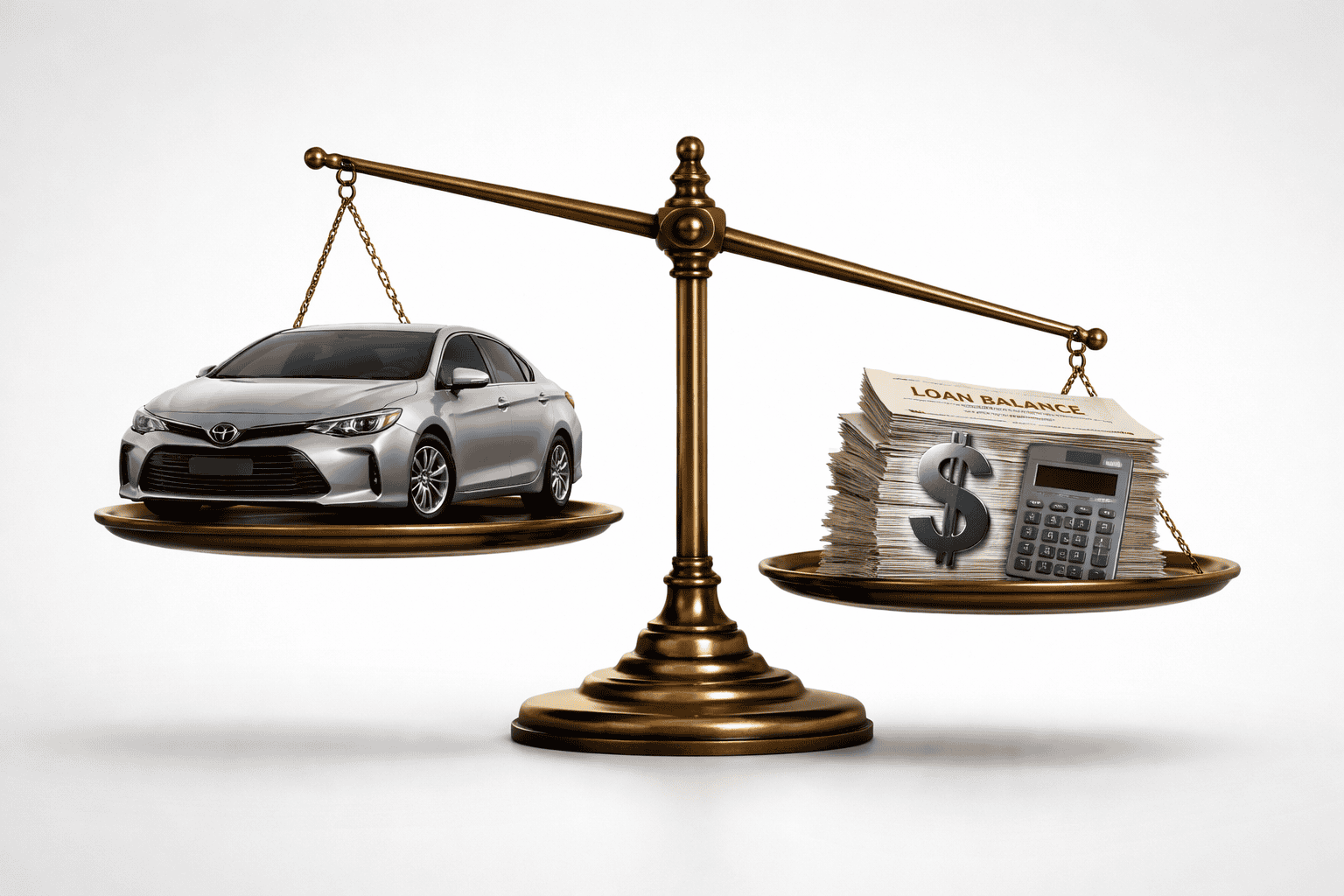
This creates a fragile situation. Vehicles continue to depreciate, but loan balances don’t follow the same pace. Over time, the gap widens, and that gap becomes critical the moment something goes wrong.
How Negative Equity Is Quietly Growing
Negative equity is no longer a rare situation. Many drivers now owe more than their vehicles are worth, especially after refinancing or trading in vehicles with existing debt.
That difference might not feel urgent during normal ownership. It becomes very real after an accident or total loss. Insurance companies base their payouts on market value, not on outstanding loan balances, which leaves many owners covering the difference themselves.
In a market like this, even a relatively minor valuation gap can turn into a meaningful financial los
Why Vehicle Values Are Becoming Harder to Trust
Vehicle pricing has become more volatile over the past few years. Inventory changes, interest rates, and shifting demand have made it harder to pin down consistent values.
One issue gaining more attention is the growing spread between wholesale and retail pricing. That gap affects how vehicles are evaluated across different stages of ownership and, more importantly, how insurance companies calculate settlements.
If you want to understand how this disconnect impacts real-world valuations, read Wholesale vs Retail Pricing Gap in 2026 Vehicle Appraisals
The Role of Electric Vehicles in Market Risk
Electric vehicles are adding another layer of complexity. While they remain a growing part of the market, their depreciation patterns have been more aggressive than many buyers expected.
For owners who financed EVs at higher price points, this creates additional exposure. A claim filed today may reflect a market value that has dropped faster than anticipated.
For a deeper look at this trend, see Electric Vehicle Depreciation Trends in 2026
What Changes for Insurance Claims
As financial pressure builds in the lending space, the impact shows up in claims. The difference between what a vehicle is worth and what is owed becomes a source of friction during settlements.
Offers may not reflect the full financial picture, especially when valuation methods rely on limited or outdated data. Without proper context, many owners accept payouts that fall short of their actual loss.
If you are reviewing a settlement, this guide can help you recognize potential issues: How to Spot Lowball Claim Settlement Offers
Why Proper Valuation Has Become Essential
In a more unstable market, accurate valuation is no longer a formality. It plays a central role in protecting your financial position.
An independent appraisal gives you a data-backed view of your vehicle’s real market value. This becomes especially important when financing, depreciation, and claim negotiations all intersect.
The more volatility there is in the market, the more valuable reliable data becomes.
The Bottom Line
The increase in auto lending risk is reshaping how vehicles are financed, valued, and ultimately settled after a loss. The findings in the Black Book 2026 Auto Lending Risk Brief reinforce what many in the industry are already seeing: higher exposure, less predictability, and more financial pressure on vehicle owners.
For anyone with a financed vehicle, understanding these dynamics is no longer optional. It is part of making informed decisions, especially when a claim is involved.
In this environment, clarity around your vehicle’s value can make a measurable difference in the outcome.
Get a Professional Vehicle Appraisal Before You Accept a Settlement
If you are dealing with negative equity, fast-changing vehicle values, or a recent accident, accepting an insurance offer without strong documentation can leave money on the table. A certified appraisal helps you understand your vehicle’s actual market value and gives you stronger support during a claim.
Frequently Asked Questions About Auto Lending Risk in 2026
What is auto lending risk?
Auto lending risk refers to the chance that a borrower may fall behind on payments or that a financed vehicle may lose value faster than expected. In 2026, this risk is getting more attention because many borrowers are carrying larger balances while vehicle values remain unstable.
Why does negative equity matter after an accident?
Negative equity matters because insurance companies usually pay based on the vehicle’s actual cash value, not the amount still owed on the loan. If the loan balance is higher than the vehicle’s market value, the owner may still owe money after the claim is settled.
How can rising lending risk affect insurance claims?
As lending risk increases, more vehicle owners are exposed to gaps between loan balances and real market values. That can make claim settlements more stressful, especially when the insurer’s valuation does not fully reflect current market conditions.
Are electric vehicles part of this problem?
In many cases, yes. Some electric vehicles have seen sharper depreciation than many buyers expected, which can increase the risk of negative equity. That becomes especially important when an owner files a total loss or diminished value claim.
Why is an independent appraisal useful in this market?
An independent appraisal provides a more detailed and data-based view of a vehicle’s true value. In a market with changing prices, inconsistent valuation methods, and growing financial pressure, that documentation can help support a fairer settlement.