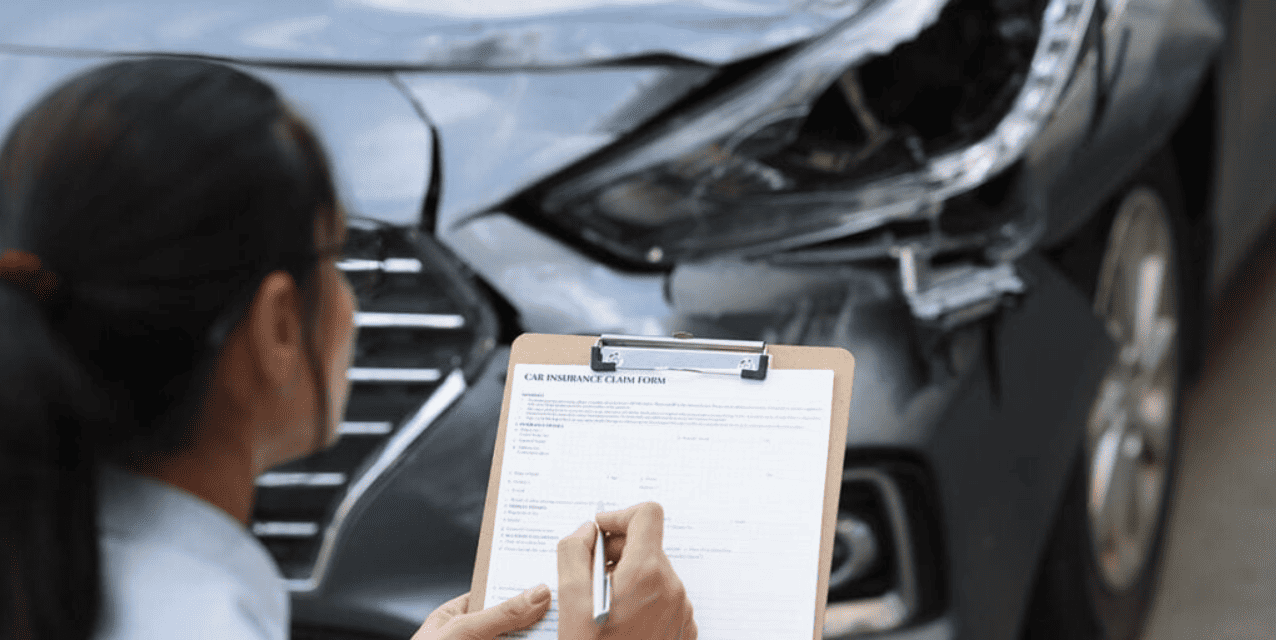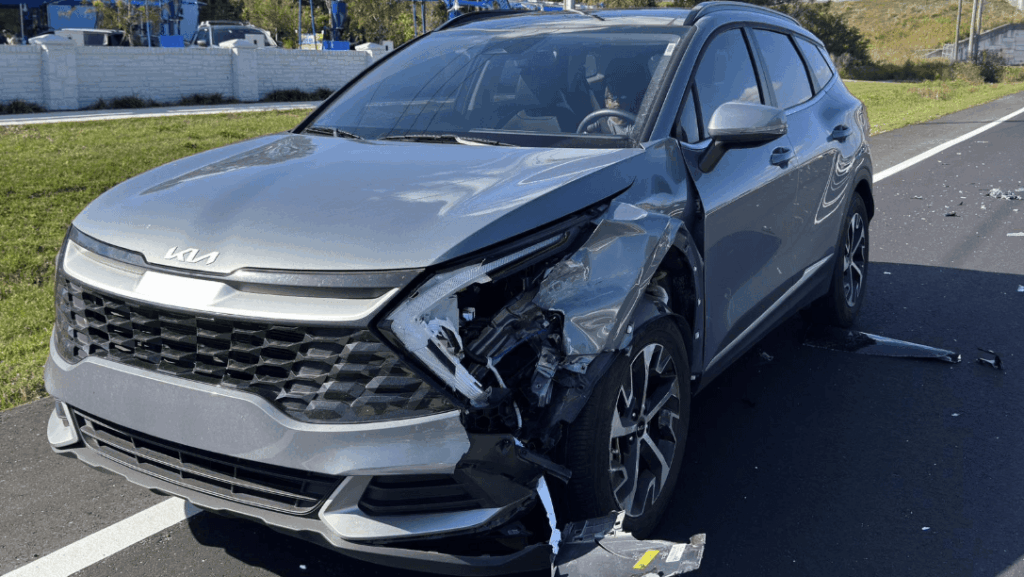

After a collision, most vehicle owners assume the repair estimate tells the full story. Once the bodywork is done and the paint dries, the problem feels “resolved.”
But in reality, the financial impact of an accident often goes far beyond what appears on a standard repair estimate.
At Appraisal Engine, we regularly review cases where the repair cost looks reasonable on paper, yet the vehicle has suffered a measurable loss that isn’t reflected anywhere in the estimate.
What a Standard Repair Estimate Is Designed to Do
Repair estimates are built for one primary purpose:
to identify visible damage and outline the cost to return the vehicle to a drivable and cosmetically acceptable condition.
They typically focus on:
Parts replacement
Labor hours
Paint and materials
Obvious structural or mechanical damage
What they do not account for is how the accident permanently changes the vehicle’s history, perception, and market value.
The Hidden Gaps Most Estimates Don’t Address
Even high-quality repair shops are not tasked with evaluating financial loss. As a result, several important factors are often overlooked:
Accident History and Market Stigma
Once a vehicle has an accident on record, buyers and dealers adjust expectations instantly.
This stigma exists regardless of how well the vehicle was repaired.
Reduced Trade-In and Resale Value
Dealers routinely deduct value for prior damage, even when repairs were completed correctly.
That deduction rarely appears in any repair paperwork.
Structural and Electronic Risk
Modern vehicles rely heavily on sensors, calibrations, and advanced driver-assistance systems.
Even when restored, these components can raise concerns for future buyers and appraisers.
Why Vehicle Owners Realize the Loss Too Late
Many drivers only discover the true financial impact months later—when:
Trading the vehicle in
Selling it privately
Filing a supplemental claim
Comparing similar vehicles without accident history
At that point, the repair estimate offers no leverage or explanation for the reduced value.
How a Professional Appraisal Fills the Gap
This is where an independent appraisal becomes critical.
A proper appraisal evaluates:
-
Pre-accident market value
-
Post-repair market perception
-
Comparable sales data
-
Accident severity and documentation
-
Long-term financial implications
Rather than focusing on repairs, it focuses on value.
Repair Cost vs. True Economic Loss
It’s common to see cases where:
Repair cost appears modest
Vehicle functions properly
Market value drops significantly
These situations are especially frequent with:
Late-model vehicles
Luxury or performance cars
Low-mileage vehicles
Vehicles with clean pre-accident history
Final Thoughts for Vehicle Owners
If you’ve been in a collision, don’t assume the repair estimate tells the whole story.
It answers one question—how much it costs to fix the car—but ignores another, often more important one:
How much value was lost because of the accident?
Understanding that difference can protect you financially long after the repairs are complete.
Download the Full PDF Report
For readers who want a shareable copy, you can download the full PDF version of this appraisal insight below.
This PDF summary provides additional context for this vehicle appraisal and post-collision value discussion.