
Your car can be repaired. Its market value may not be.
A quality repair can restore your vehicle's appearance and function, but it does not erase its accident history. That history can reduce what buyers or dealers are willing to pay. This loss is commonly called diminished value.
Claim eligibility and recovery depend on the facts, applicable state law, coverage, and the insurer's response.
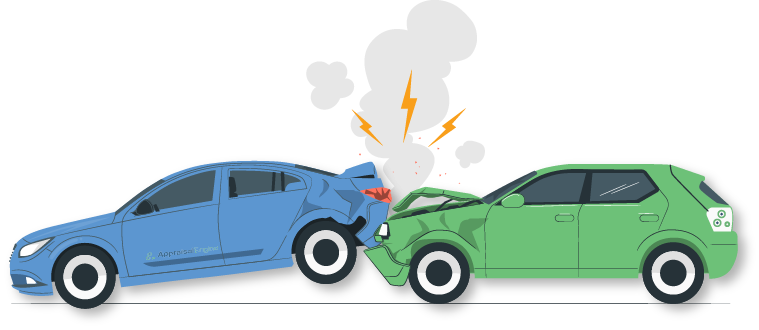
Repairing the damage and recovering lost value are two different issues.
The repair bill addresses physical damage. Diminished value addresses a separate economic loss: the difference between what your vehicle was worth before the accident and what the market may value it at after repairs and accident history are considered.
View the car wreck infographic (PDF) →Repair the vehicle
The body shop restores the damaged areas and returns the vehicle to service.
Measure the value loss
An appraisal analyzes whether the accident history has reduced the vehicle's market value.
Present the claim
The appraisal gives you documented evidence to support a request for diminished value compensation.
A clearer four-step process.
The original page made the process sound automatic. It is not. A well-supported appraisal strengthens the claim, but the final result depends on the evidence, state law, coverage, and negotiations.
Start with a claim review
We review the vehicle, accident, repair history, mileage, claim type, and available documentation to determine whether a formal diminished value appraisal is likely to make sense.
Free initial reviewBuild the appraisal
A qualified appraiser analyzes the vehicle and relevant market data to develop an independent opinion of diminished value. The report is designed to explain the methodology and support the amount claimed with evidence.
Independent market analysisPresent the evidence
The appraisal can be submitted to the insurer as support for the diminished value claim. The carrier may accept it, negotiate, request additional information, make a different valuation, or deny the claim.
Evidence, not a guaranteePursue a fair settlement
If the claim is supported, the goal is to resolve the difference between the insurer's position and the documented loss. The amount recovered, if any, depends on the facts of the claim and the applicable rules in your state.
Claim-specific outcome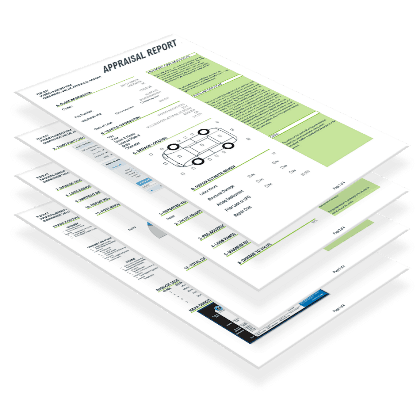
Turn “my car is worth less” into a documented valuation position.
A diminished value claim is stronger when it is supported by a clear valuation analysis rather than a general complaint that the vehicle has lost value.
Find out whether your vehicle may have a diminished value claim.
Send us the basic claim information and we will review the situation before you decide whether to order an appraisal.